Movement as Medicine: Integrating Exercise into Modern Psychiatric Care
While the conversation around mental health often centers on pharmacology and psychotherapy, there is an equally powerful "third pillar" supported by decades of evidence: physical movement. For individuals working with an expert like William Betts, PMHNP-BC, exercise is not merely a recommendation for physical fitness; it is a clinical intervention integrated into a holistic psychiatric plan.
1. The Neurobiology of Movement: Why it Works
Exercise acts as a natural "biological switch" for the brain's chemistry. Rather than a simple "runner's high," physical activity triggers complex physiological changes that parallel the effects of modern medications.
- Neurotransmitter Modulation: Exercise naturally increases levels of serotonin, dopamine, and norepinephrine-the same chemicals targeted by antidepressants and ADHD medications.
- The "Feel-Good" Cascade: Aerobic activity pumps up beta-endorphins, the brain's natural feel-good chemicals, which enhance happiness and reduce pain perception.
- Brain Plasticity (BDNF): Physical movement elevates Brain-Derived Neurotrophic Factor (BDNF) , a protein that supports the survival of existing neurons and encourages the growth of new ones, essentially "fertilizing" the brain for better learning and memory.
- Reducing Inflammation: Chronic inflammation is strongly linked to depression. Exercise lowers systemic inflammation markers, helping to clear the "brain fog" often associated with mood disorders.
2. Evidence-Based Outcomes: The Data
Clinical research confirms that exercise is a high-efficacy treatment for a broad spectrum of mental health conditions:
- Depression: Large-scale meta-analyses show that regular exercise can be as effective as standard psychotherapy or pharmacological approaches for mild-to-moderate depression. One study involving over a million participants found that regular exercisers reported 43% fewer days of poor mental health.
- Anxiety: Walking, jogging, and yoga have been found to provide moderate to large reductions in anxiety symptoms by lowering resting heart rates and helping the body practice its response to stress.
- ADHD: Aerobic exercise fosters self-efficacy and emotional regulation, providing an immediate boost to focus and executive function similar to low-dose stimulants.
- Severe Mental Illness: In patients with schizophrenia or bipolar disorder, structured exercise improves cognitive performance and counters the weight gain risks often associated with antipsychotic treatments.
3. How a PMHNP-BC Bridges the Gap
Knowing that exercise is beneficial is different from having a sustainable plan to execute it-especially when depression or anxiety drains your motivation. This is where a Psychiatric Mental Health Nurse Practitioner (PMHNP) like William Betts provides a critical advantage.
- Individualized Exercise Prescriptions: Rather than vague advice to "get active," William works with you to set goals that fit your physical ability and mental state. This might mean starting with a 10-minute walk three times a week rather than an intimidating gym routine.
- Addressing Barriers: Using motivational interviewing, William helps you identify and overcome the psychological roadblocks-such as fatigue, social anxiety, or low self-esteem-that prevent you from starting.
- Monitoring Interactions: A PMHNP ensures that your exercise routine safely complements your medication. For example, they can monitor how intense exercise might affect your heart rate if you are taking stimulants or how it impacts your metabolic health during GLP-1 therapy.
- Integrative Planning: By viewing movement as a "vital sign," William integrates physical activity into a comprehensive care plan that includes psychotherapy and medication management, ensuring all tools are working in harmony.
4. Practical Guidelines for Success
To achieve substantial mental health benefits, aim for the following evidence-based targets:
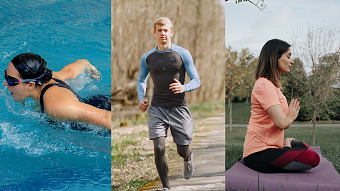
- Aerobic Consistency: Target 150 minutes of moderate-intensity activity (like brisk walking or swimming) per week.
- Strength Training: Incorporate resistance training at least twice a week to boost self-efficacy and metabolism.
- Mind-Body Connection: Modalities like yoga or Tai Chi are particularly effective for anxiety and stress-related disorders.